WeatherXM
Field Notes

Evidence behind the ground truth.

Weather stations become useful infrastructure only when their measurements can be understood, tested and trusted. These technical notes document what we learn from reference comparisons, field experiments, fleet behavior and network-scale quality controls.

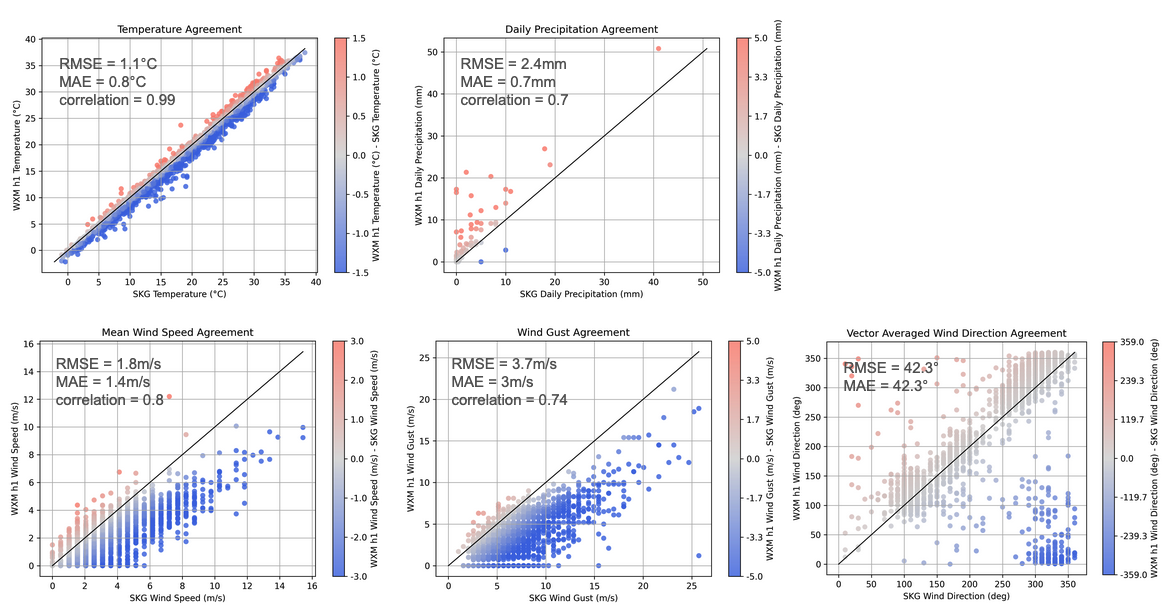
Agreement plots comparing WeatherXM and reference-station observations for temperature, precipitation, wind speed, gust and direction.
Weather Science

WeatherXM vs WMO-Compliant Reference Stations

Field comparison of WeatherXM observations with nearby SYNOP and airport reference stations, including temperature, wind and precipitation agreement and the effects of siting and mast height.
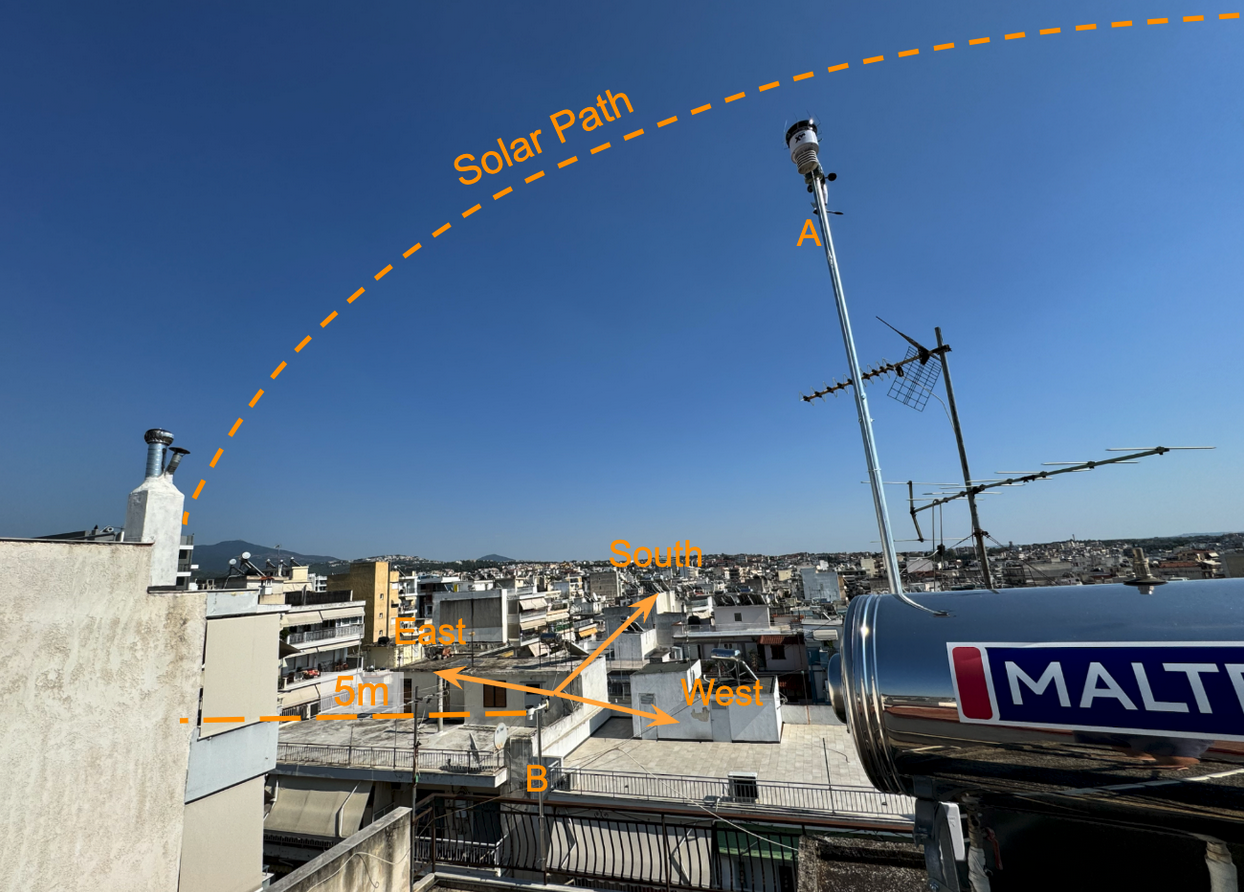
Rooftop experimental setup comparing an unobstructed WeatherXM station with a station affected by nearby walls and structures.
Engineering

How Nearby Obstacles Affect Local Wind and Temperature

A controlled rooftop experiment showing how walls, roof surfaces and other nearby obstacles alter wind and temperature observations — and why deployment quality is part of ground truth.

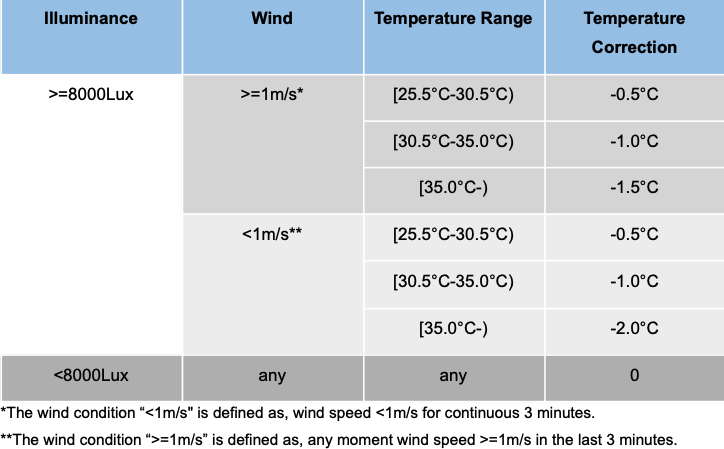
Temperature decompensation table showing correction values by illuminance, wind and measured temperature range.
Weather Science

Correcting the WS2000 Temperature Offset

An investigation of a model-specific daytime temperature bias, followed by a fleet-level correction method derived from co-located stations and validated against independent hardware.

Work with the observations.

If you are benchmarking sensors, studying local weather or building a system that needs dense ground observations, we can provide data, hardware and technical context for evaluation or deployment.